By Rikki Klaus
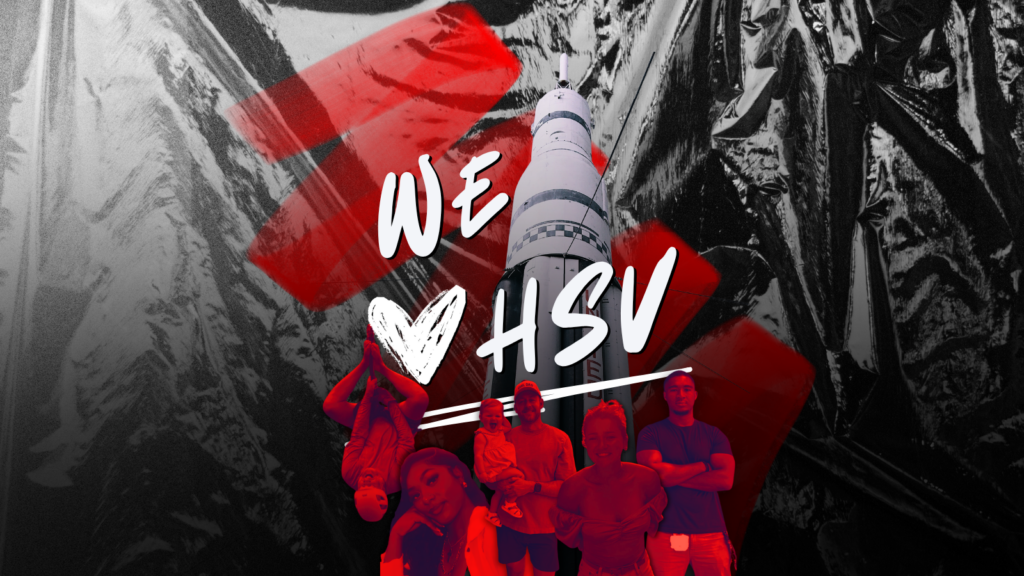
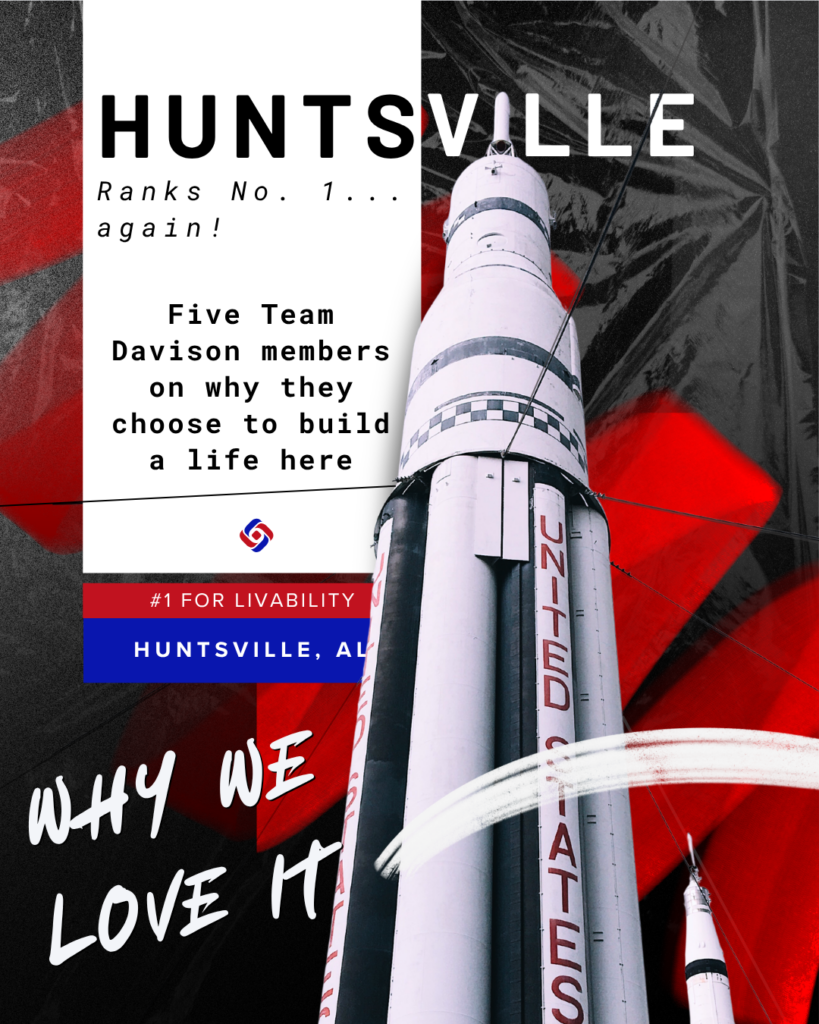
Huntsville, Alabama, home to Davidson headquarters, is in the spotlight, earning No. 1 in Livability’s “Top 100 Best Places to Live in the U.S. in 2026” list.
The media company first considered almost 2,500 small-to-mid-sized towns for the grouping, Amanda Ellis, editor in chief of Livability.com, told Davidson in a phone interview.
“The population range we look at for this one is 75,000 to 500,000,” said Ellis. “We also take a pretty heavy focus on affordability, which is our other big differentiator, so cities have to have a median home value under $500,000 to be considered at all.”
Livability’s algorithm analyzed more than 100 data points in the categories of environment, safety, education, health, economy, housing and cost of living, amenities, and transportation.
“[Huntsville] had pretty much a perfect score in several of these, and several were close, so really speaking to that kind of breadth of things on offer,” explained Ellis.
Huntsville received the highest score of the more than 2,000 places considered, Ellis said.
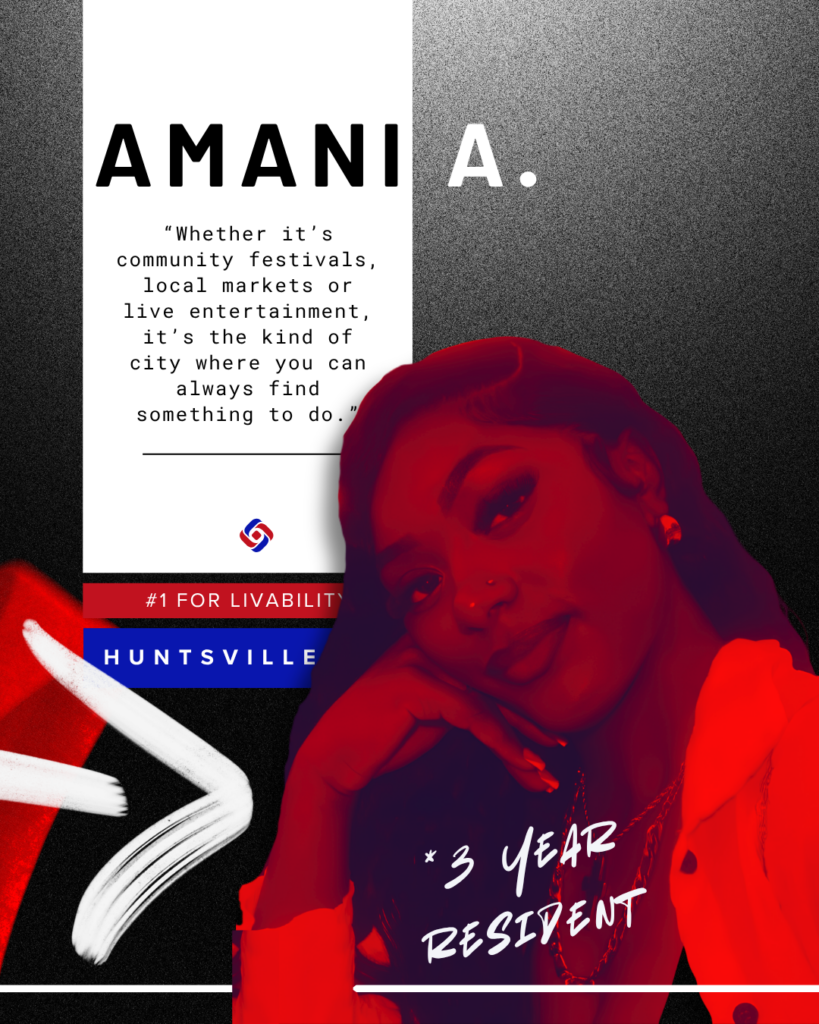
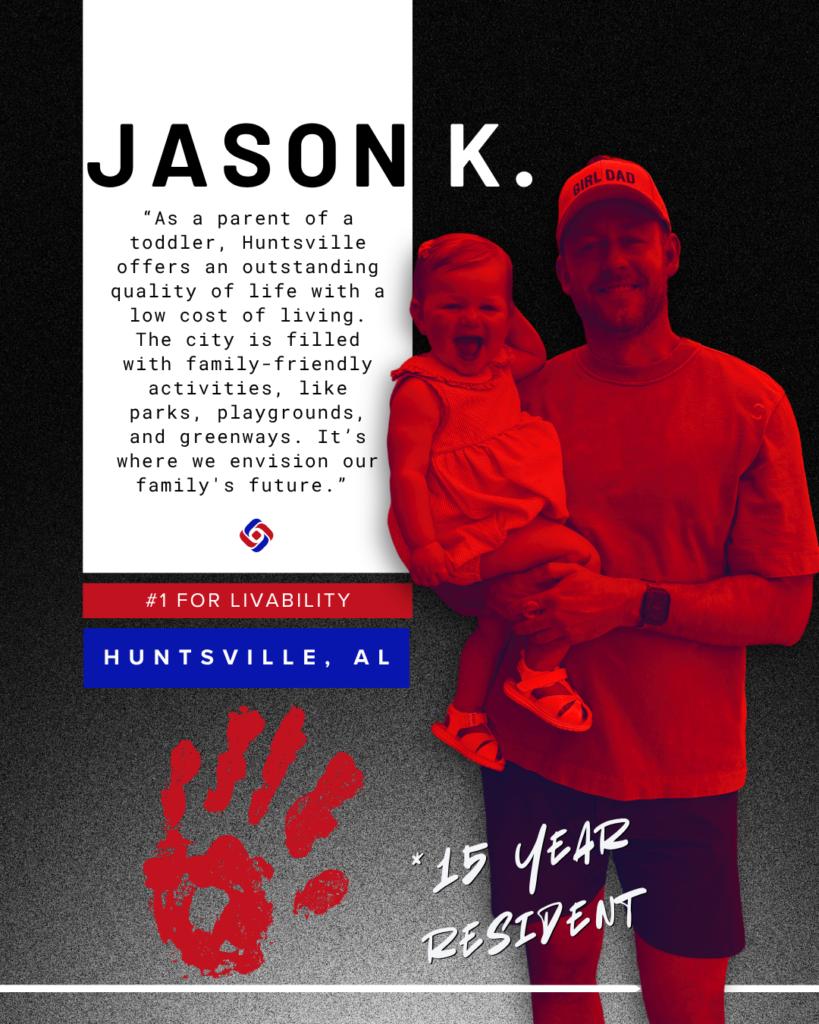
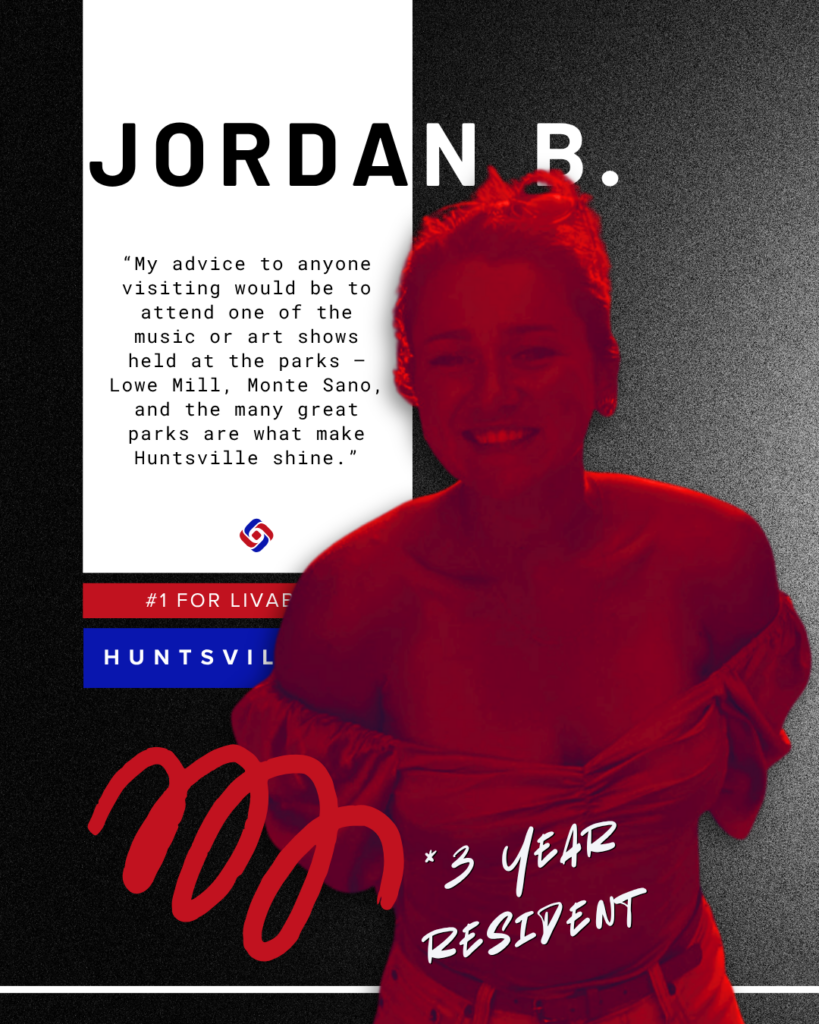
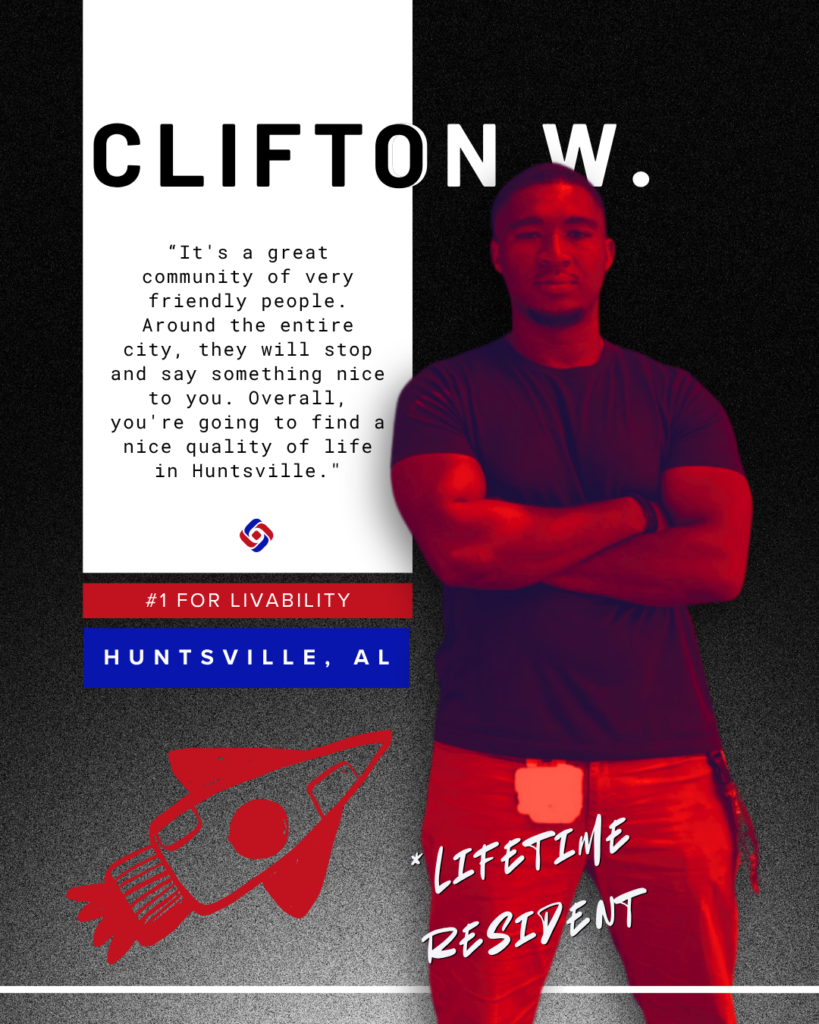
“Whether it’s community festivals, local markets or live entertainment, it’s the kind of city where you can always find something to do,” said Amani Austin. The Davidson facility and security administrator has lived in Huntsville for three years.
“Every time I get on TikTok or talk to someone who has lived here longer than I have, I learn about something new. It could be a restaurant I’ve never heard of, a community event, a concert, a local attraction, or a hidden gem that somehow wasn’t on my radar. The list just keeps growing, and honestly, I don’t mind because it always gives me something to look forward to,” Austin added.
Jordan Broam, Davidson proposal and enterprise operations specialist, has lived in town about as long as Austin. She enjoys the city’s free yoga week, musical events like PorchFest and hiking Huntsville’s trails.
“My advice to anyone visiting would be to attend one of the music or art shows held at the parks,” shared Broam. “Lowe Mill, Monte Sano, and the many great parks are what make Huntsville shine.”
Livability counts more than 60 public parks in town.
The so-called Rocket City has long been known for its contributions in the fields of space exploration and defense. It’s home to the U.S. Space & Rocket Center, which says it houses one of only three Saturn V rockets in the world. In 2018, Livability called Huntsville the best place in the country to pursue a STEM career.
Today, it’s admired for offering plenty of well-paying jobs in those fields, along with affordability. That combination has attracted many families, including Jason Kearns’.
“As a parent of a toddler, Huntsville offers an outstanding quality of life with a relatively low cost of living,” said Davidson’s principal enterprise solutions architect. “The city is also filled with family-friendly activities, including parks, playgrounds, and greenways. It’s where we envision our family’s future.”
Livability clocked Huntsville’s median home value at nearly $325,000 and its median monthly rent at less than $1,100.
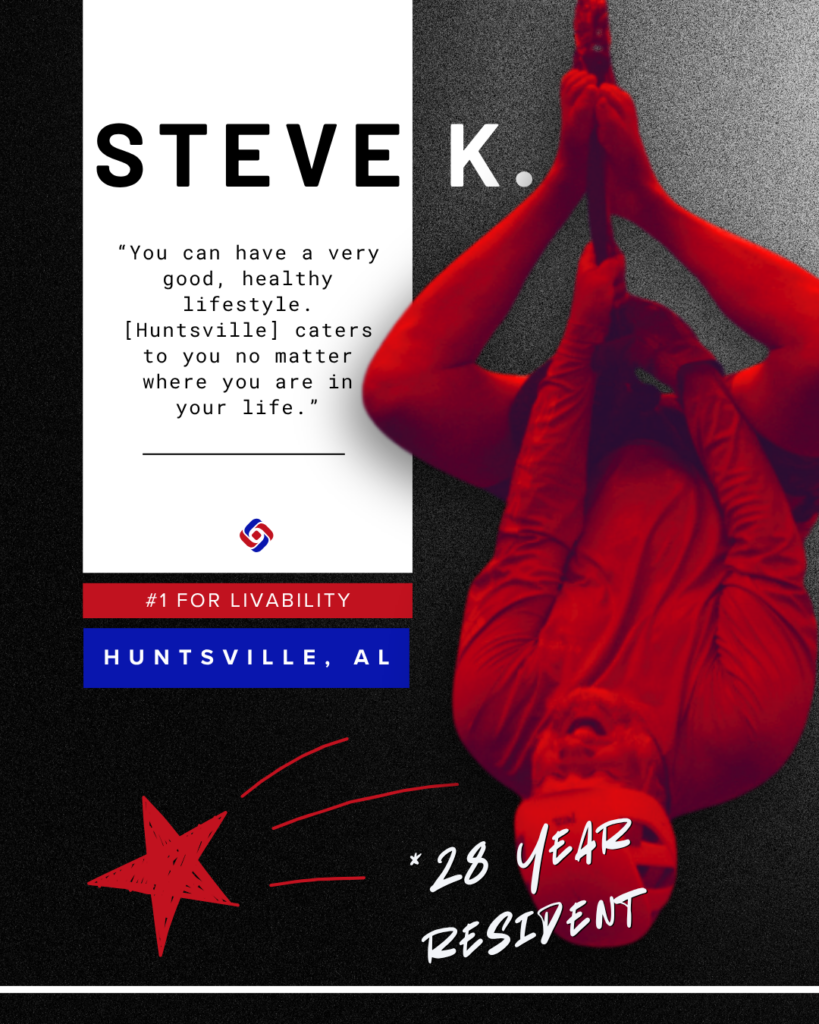
“You could have a very good, healthy lifestyle, and you’re not spending all your money on your home or on gas,” said Steve Kerce, senior talent acquisition specialist at Davidson. “It caters to you no matter where you are in your life.”
Clifton Winters Jr. has lived in Huntsville his whole life. The recent Alabama A&M graduate who interned at Davidson this summer says he wants to stay put.
“It’s a great community of very friendly people. Around the entire city, they will stop and say something nice to you,” Winters said. “Overall, you’re going to find a nice quality of life in Huntsville.”
LATEST POSTS:
- Huntsville tops list of 100 best places to live
- Seeker production set to double this year, amid high global demand for PAC-3 missiles
- Quantum computing in defense isn’t a future-tense conversation anymore.
- Company core values often earn an eye roll. Why ours still matter.
- The internship isn’t a trial run anymore. It’s a talent pipeline.